
Active Transport Drawing
Active Transport Drawing - Web in active transport, unlike passive transport, the cell expends energy (for example, in the form of atp) to move a substance against its concentration gradient. Some substances can pass into or out of a cell across the plasma membrane without any energy required because they are moving from an area of higher concentration to an area of lower concentration. Active transport maintains concentrations of ions and other substances needed by living cells in the face of these passive changes. Up a concentration gradient, via specialised membrane proteins. Passive transport, on the other hand, does not require energy as substances move along their gradient, similar to. There are two major ways that molecules can be moved across a membrane, and the distinction has to do with whether or not cell energy is used. Some substances can pass into or out of a cell across the plasma membrane without any energy required because they are moving from an area of higher concentration to an area of lower concentration. Active transport maintains concentrations of ions and other substances needed by living cells in the face of these passive movements. Web movement across a membrane and energy. Web type of active transport. Small substances constantly pass through plasma membranes. For active transport to occur, a membrane receptor is required which recognizes the ligand to be transported. Passive mechanisms like diffusion use no energy, while active transport requires energy to get done. Web type of active transport. With the exception of ions, small substances constantly pass through plasma membranes. Therefore, active transport requires energy, which is provided by the breakdown of atp. This process is “active” because it requires the use of energy (usually in the form of atp). Web active transport is the movement of molecules from an area of lower concentration to a higher concentration, i.e. Web what is active transport? Web active transport mechanisms, collectively called pumps or carrier proteins, work against electrochemical gradients. Web active and passive transport are biological processes that move oxygen, water and nutrients into cells and remove waste products. Of major interest to us, however, is the energy source used to drive transport against a concentration gradient. This process is “active” because it requires the use of energy (usually in the form of atp). Web active transport mechanisms, collectively. Active transport in plants to draw in water understanding that: There are two major ways that molecules can be moved across a membrane, and the distinction has to do with whether or not cell energy is used. Web active transport maintains concentrations of ions and other substances that living cells require in the face of these passive movements. Web during. Web what is active transport? The primary active transport system uses atp to move a substance, such as an ion, into the cell, and often at the same time, a second substance is moved out of the cell. As this is against the concentration gradient, it cannot occur passively. Small substances constantly pass through plasma membranes. A cell may spend. For active transport to occur, a membrane receptor is required which recognizes the ligand to be transported. To begin, start a table to learn some key points about active transport. Active transport requires chemical energy because it is the movement of biochemicals from areas of lower concentration to areas of higher concentration. The cell membrane folds around food or liquid. Active transport maintains concentrations of ions and other substances needed by living cells in the face of these passive movements. Web during active transport, substances move against the concentration gradient, from an area of low concentration to an area of high concentration. Denote that active transport is the movement of solutes against their electrochemical gradients. Active transport in plants to. Active transport requires chemical energy because it is the movement of biochemicals from areas of lower concentration to areas of higher concentration. Web what is active transport? Web 9.2 transport in the phloem of plants: There are two major ways that molecules can be moved across a membrane, and the distinction has to do with whether or not cell energy. Web define and describe active transport. Web what is active transport? Web what is active transport? Of major interest to us, however, is the energy source used to drive transport against a concentration gradient. Here, we’ll look in more detail at gradients of molecules that exist across cell membranes, how they can help or hinder transport, and how active transport. Web this lesson plan includes the objectives and prerequisites of the lesson teaching students how to describe different examples of active transport processes that occur across the cell membrane. Web active transport maintains concentrations of ions and other substances that living cells require in the face of these passive movements. Some substances can pass into or out of a cell. Web active transport maintains concentrations of ions and other substances that living cells require in the face of these passive movements. Active transport maintains concentrations of ions and other substances needed by living cells in the face of these passive movements. Some substances can pass into or out of a cell across the plasma membrane without any energy required because. Web what is active transport? Movement across the cell membrane from lower to higher concentration that requires energy. Web a vital active transport process that occurs in the electron transport process in the membranes of both mitochondria and chloroplasts is the transport of protons to produce a proton gradient. The process by which cells ingest external fluid, macromolecules, and large. Active transport maintains concentrations of ions and other substances needed by living cells in the face of these passive movements. Web movement across a membrane and energy. Web primary active transport moves ions across a membrane and creates a difference in charge across that membrane. A cell may spend much of its metabolic energy supply maintaining these processes. This proton gradient powers the. Web in active transport, unlike passive transport, the cell expends energy (for example, in the form of atp) to move a substance against its concentration gradient. As this is against the concentration gradient, it cannot occur passively. Web active transport is a mode of transportation in plants, which uses stored energy to move the particles against the concentration gradient. For active transport to occur, a membrane receptor is required which recognizes the ligand to be transported. Web active transport maintains concentrations of ions and other substances that living cells require in the face of these passive movements. Web active transport is the movement of molecules from an area of lower concentration to a higher concentration, i.e. Of major interest to us, however, is the energy source used to drive transport against a concentration gradient. Web active transport mechanisms, collectively called pumps, work against electrochemical gradients. The cell membrane folds around food or liquid and forms a small pouch. Web a vital active transport process that occurs in the electron transport process in the membranes of both mitochondria and chloroplasts is the transport of protons to produce a proton gradient. Web 9.2 transport in the phloem of plants:
Active Transport in Plants to Draw in Water (2016) YouTube

Active Transport Diagram Labeled

Active transport Wikipedia

Active Transport Diagram

Active Transport Definition , Types & Examples

Active Transport Diagram Labeled

Active Transport Diagram
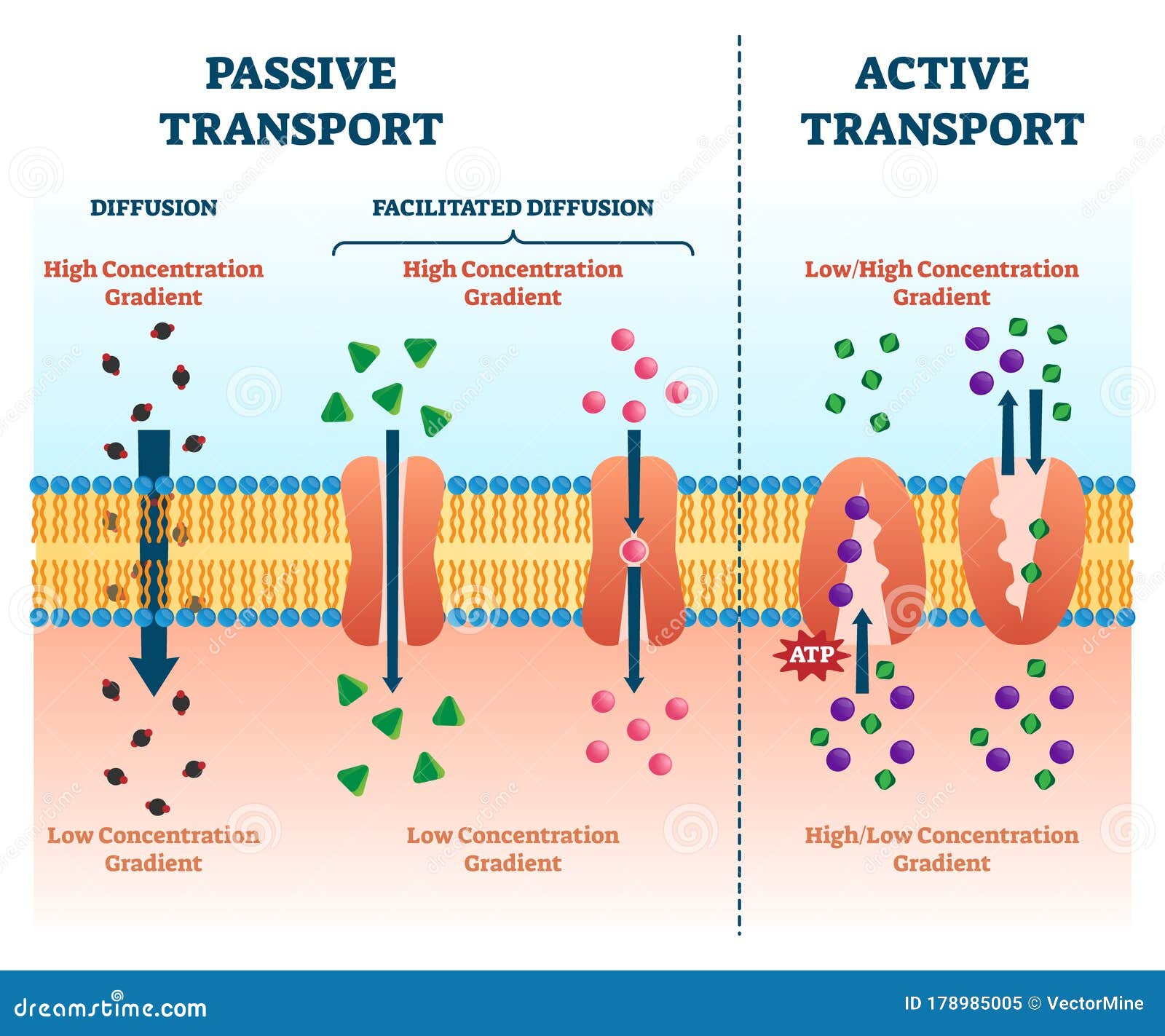
Active Transport Diagram

Active Transport Drawing
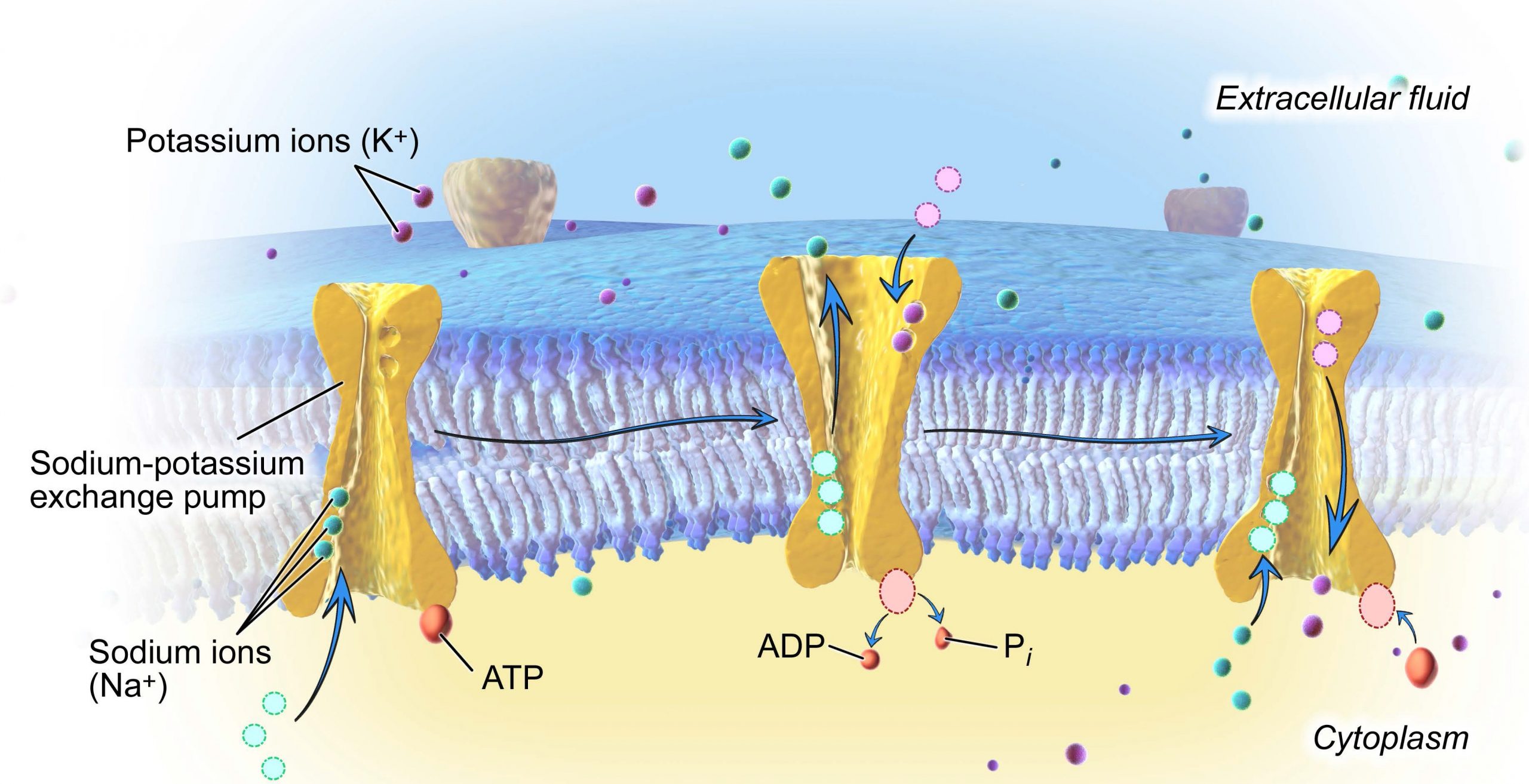
Chapter 8. Membrane Transport Introduction to Molecular and Cell Biology
Active Transport Requires Chemical Energy Because It Is The Movement Of Biochemicals From Areas Of Lower Concentration To Areas Of Higher Concentration.
The Primary Active Transport System Uses Atp To Move A Substance, Such As An Ion, Into The Cell, And Often At The Same Time, A Second Substance Is Moved Out Of The Cell.
This Process Is “Active” Because It Requires The Use Of Energy (Usually In The Form Of Atp).
Web Active Transport Mechanisms, Collectively Called Pumps Or Carrier Proteins, Work Against Electrochemical Gradients.
Related Post: