
Complementary Color Drawing
Complementary Color Drawing - One complementary color and one accent color. That is true for every single of these color pairs. A beginner’s guide to complementary colors. Gray is in the middle of the color wheel. Use complementary colors to enhance readability and focus in design. Web in practice, complementary colours are those that exhibit the highest level of contrast with each other. The colour complement of each primary colour (primaries are red, yellow and blue) can be obtained by mixing the two other primary colours together. There are two accent colors, black and neon green, that draw attention to important information like dates and calls to action. Use complementary colors to enhance readability and focus in design. An easy example is yellow (true north) and violet (true south). Students will review the color wheel and identify primary, secondary, and tertiary (intermediate) colors. Whether you want to learn more about color contrast to inform your design choices, refine your mental color palette, or help you understand art and design, complementary color combinations are a crucial starting point. Here, the complementary pairings include red and cyan, green and magenta, and blue and yellow. Understand the color wheel to identify complementary colors. Web in a double complementary scheme, we use a combination of four colors that, as the name implies, is made up of two complementary color pairs. Web how to use complementary colors in drawings and paintings. Today i will share my favorite tips and tricks for using complementary colors and how easy it is to bring anything and everything to life. A beginner’s guide to complementary colors. The complementary color generator we have above uses the rgb color model and generates the complementary color by inverting the rgb values of the main color. Web demonstrate drawing a portrait using only one pair of complementary colors. Here, the complementary pairings include red and cyan, green and magenta, and blue and yellow. Web artists often use complementary colours in their work to draw attention to specific elements, emphasise particular features and create focal points. © succession henri matisse/dacs 2024. Web how to use complementary colors in drawings and paintings. Web complementary colors are color combinations that when. Using these colour combinations can also help make other colours appear more vibrant or brighter by. Here, the complementary pairings include red and cyan, green and magenta, and blue and yellow. Web the best way to use complementary color combinations in realistic artwork is to balance the saturation of the colors, and this is easy to do with copic markers.. Students will review the color wheel and identify primary, secondary, and tertiary (intermediate) colors. Web in practice, complementary colours are those that exhibit the highest level of contrast with each other. How to watercolor paint with complementary colors. How to use complementary tones to make your colours pop. In colour theory complementary colours appear opposite each other on colour models. Web complementary colors are color combinations that when placed alongside each other, help to create a contrast, and each color makes the other stand out. Web how to pick colours for your art. Web in graphic design, complementary colors are opposite pairs on the color wheel, creating maximum contrast and intensifying each other's hues when placed together. Orange and blue. The colour complement of each primary colour (primaries are red, yellow and blue) can be obtained by mixing the two other primary colours together. For painters, the fundamental complementary pairs are red/green, yellow/violet, and blue/orange, while each intermediate colour also. Organized into 3 main groups: Web complementary colors, with their high contrast and vibrant interaction, are fundamental in creating attractive. Web learn the complementary colors of the color wheel and color theory with examples and complementary pairings. Web the simple answer is: Web in practice, complementary colours are those that exhibit the highest level of contrast with each other. Using these colour combinations can also help make other colours appear more vibrant or brighter by. When you mix complementary colors. Complementary colors are pairs of colors that are found opposite to each other on the color wheel. If you look at a color wheel, the opposite of yellow is purple, so purple is the complement to yellow. How to watercolor paint with complementary colors. In van gogh’s painting, he has a very bold use of colour. Web how to pick. Web van gogh’s painting technique. Web in the cmyk color model (used in print), complementary colors are pairs that, when combined, produce black or neutral gray. How to use complementary tones to make your colours pop. Web demonstrate drawing a portrait using only one pair of complementary colors. (remember, two colors are complementary if they are opposite each other on. Web at their most fundamental, complementary colors are the two colors that sit facing each other on the modern color wheel. One complementary color and one accent color. Orange and blue accentuate each other in van gogh’s café terrace on the place du forum, arles, 1888 above. Typically, the primary color is a strong hue used in titles,. Web how. Orange and blue accentuate each other in van gogh’s café terrace on the place du forum, arles, 1888 above. For painters, the fundamental complementary pairs are red/green, yellow/violet, and blue/orange, while each intermediate colour also. Web in practice, complementary colours are those that exhibit the highest level of contrast with each other. © succession henri matisse/dacs 2024. How to use. Today i will share my favorite tips and tricks for using complementary colors and how easy it is to bring anything and everything to life. Web artists often use complementary colours in their work to draw attention to specific elements, emphasise particular features and create focal points. Using a complementary color scheme of yellow and violet in a landscape painting. Students will define and identify complementary colors. Web how to pick colours for your art. How to use complementary tones to make your colours pop. Web in practice, complementary colours are those that exhibit the highest level of contrast with each other. Web in a double complementary scheme, we use a combination of four colors that, as the name implies, is made up of two complementary color pairs. In colour theory complementary colours appear opposite each other on colour models such as the colour wheel. The complementary color generator we have above uses the rgb color model and generates the complementary color by inverting the rgb values of the main color. How to watercolor paint with complementary colors. Here, the complementary pairings include red and cyan, green and magenta, and blue and yellow. Web the simple answer is: Web the best way to use complementary color combinations in realistic artwork is to balance the saturation of the colors, and this is easy to do with copic markers. Web complementary colors, with their high contrast and vibrant interaction, are fundamental in creating attractive and emotionally resonant designs. When you look at a color wheel, which displays all colors, you.
Complementary Color Drawing at GetDrawings Free download
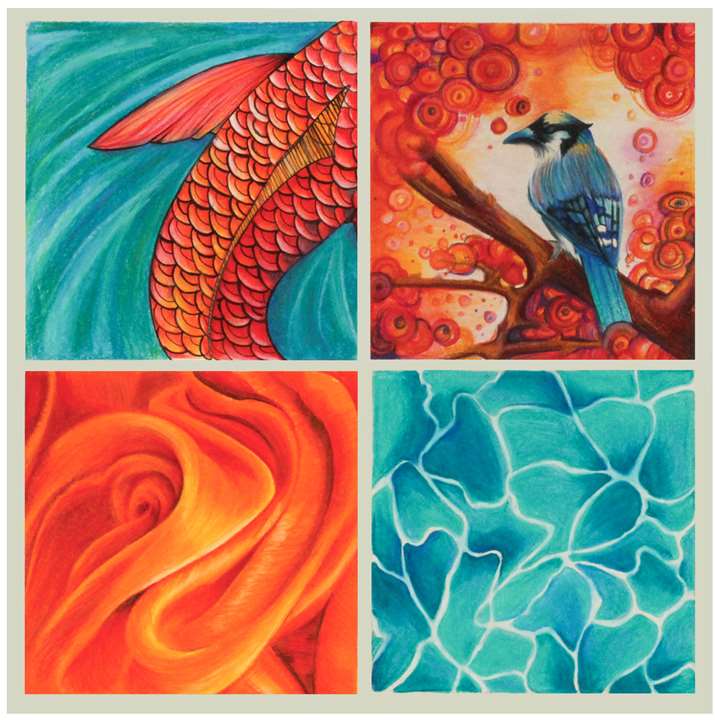
Complementary Colors Drawing at Explore collection
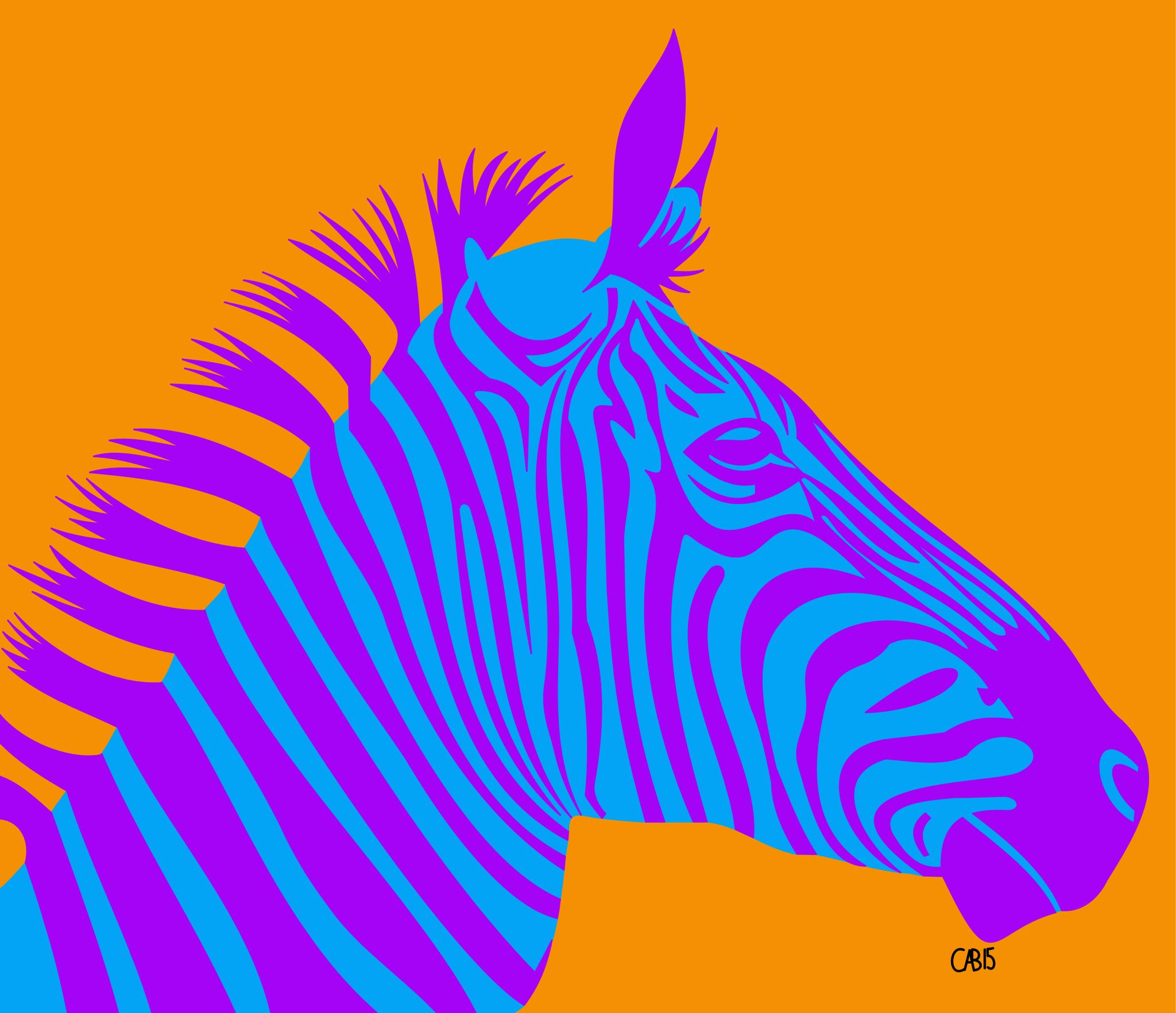
Complementary Color Drawing at GetDrawings Free download
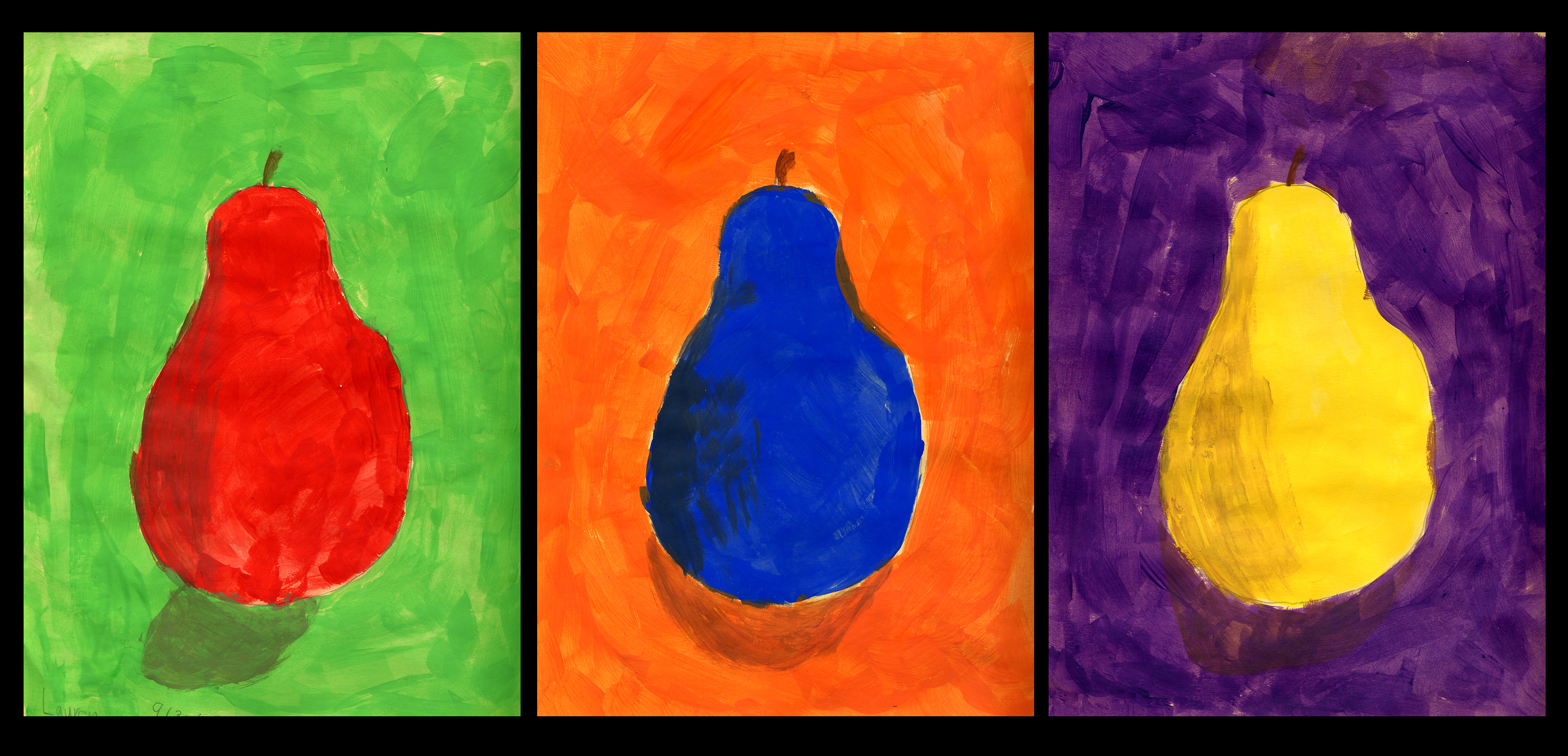
Complementary Color Drawing at GetDrawings Free download
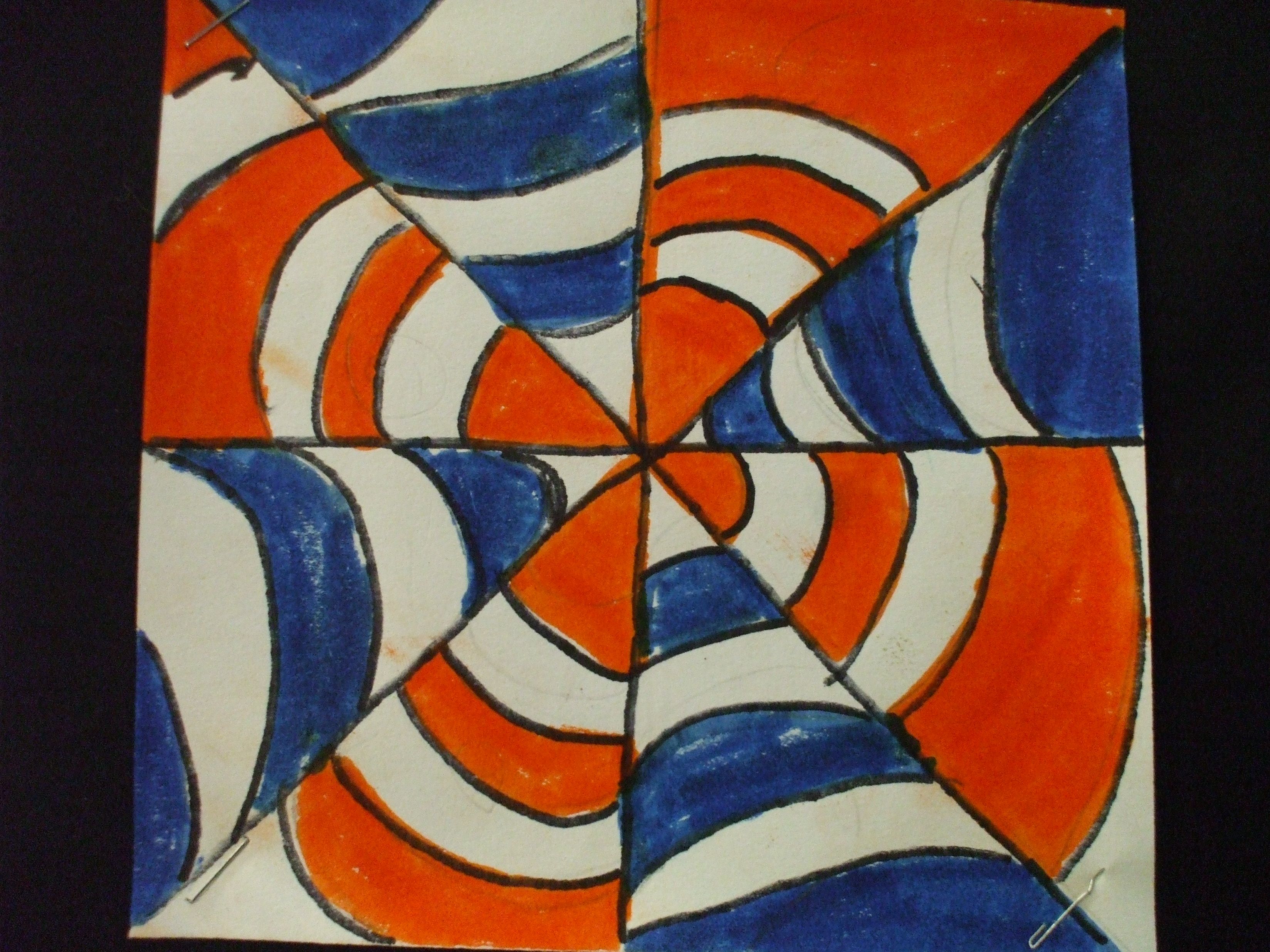
Complementary Colors Drawing at Explore collection
Complementary Colors Drawing at Explore collection
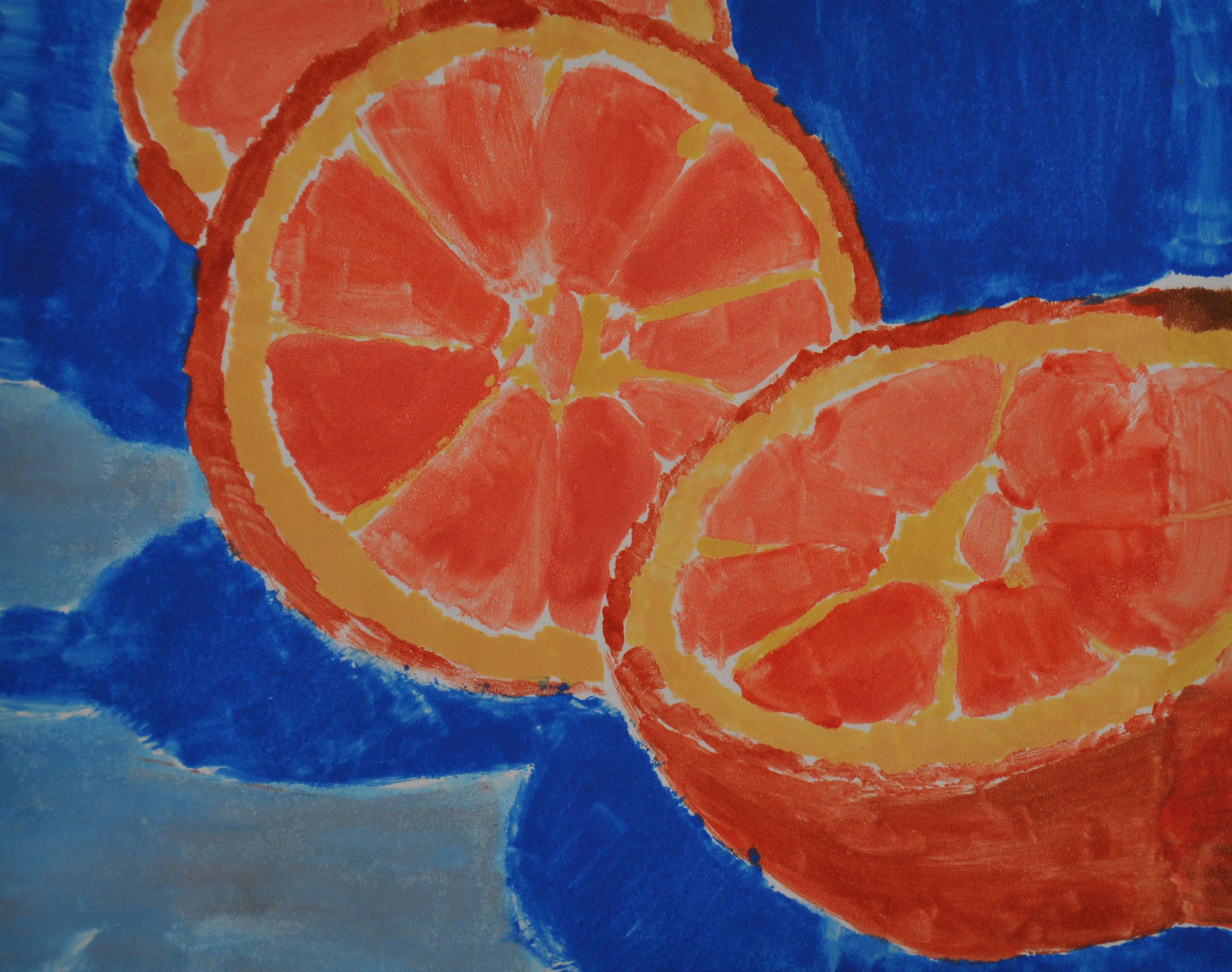
Complementary Color Drawing at GetDrawings Free download

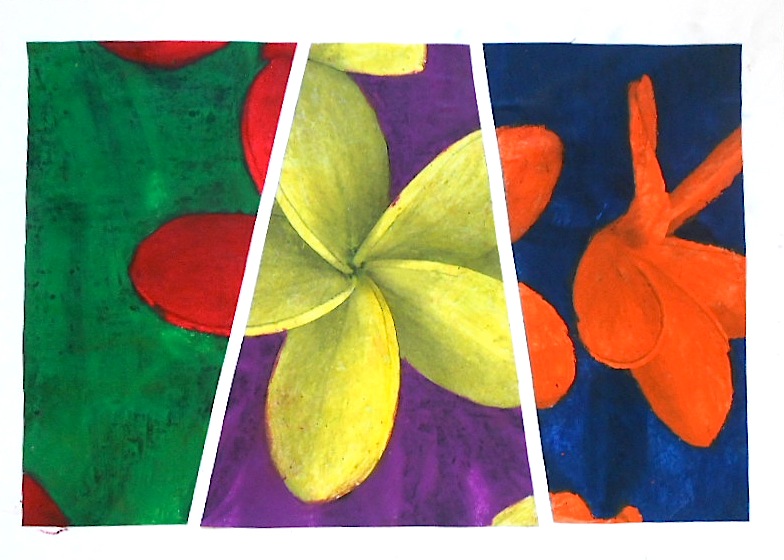
Flowers in complementary colors Color art lessons, Elementary art
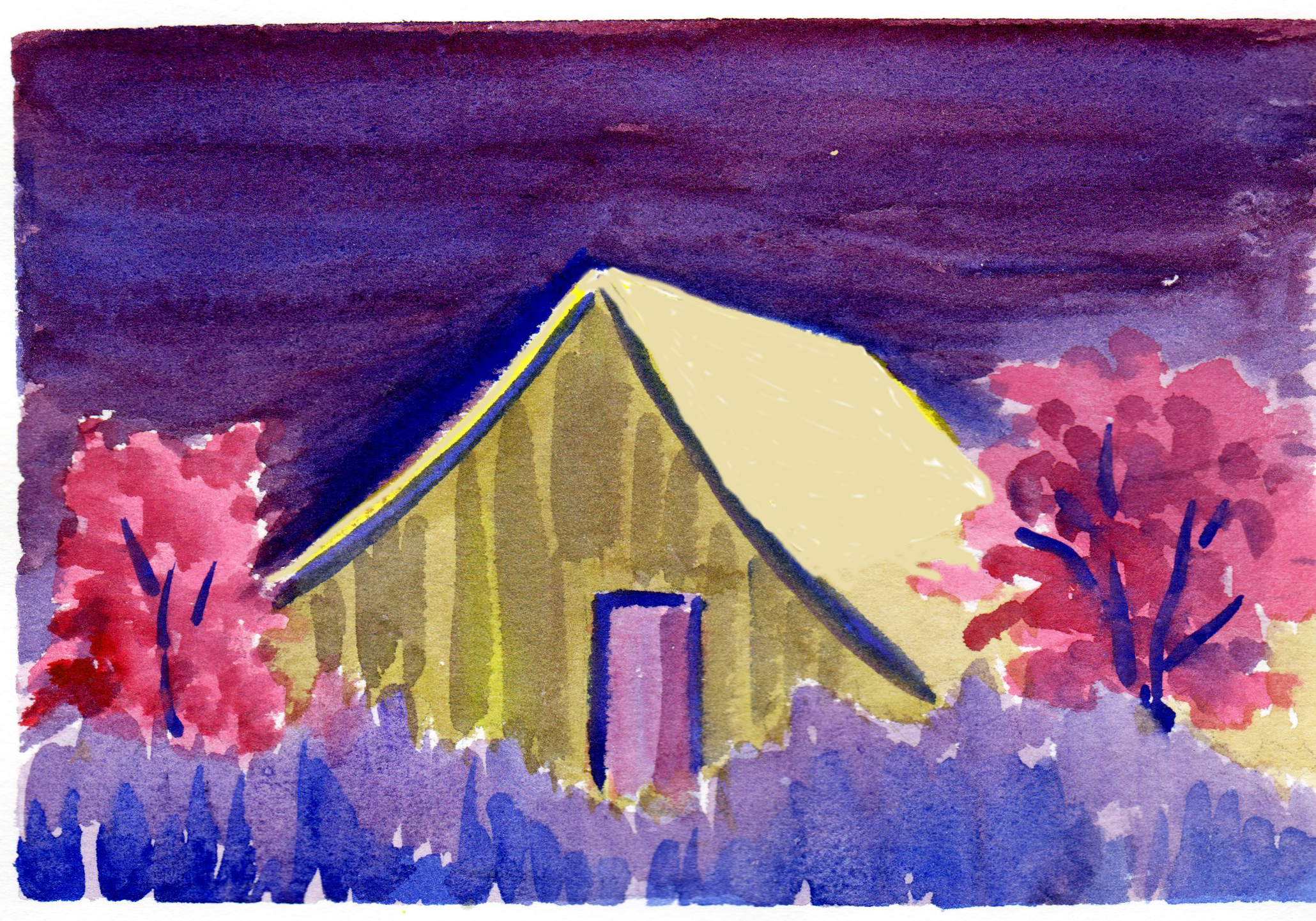
Complementary Colors Drawing at Explore collection
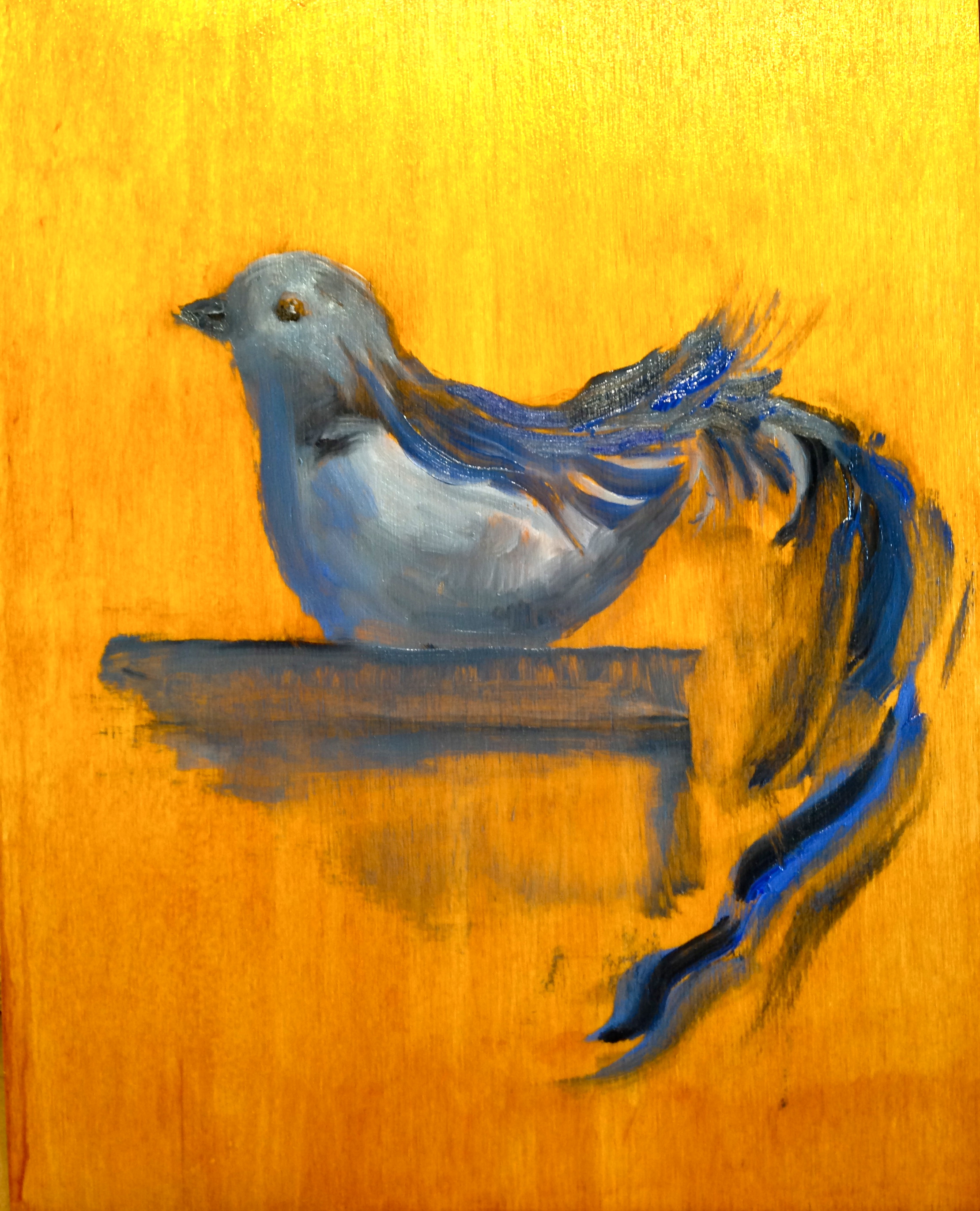
Complementary Color Drawing at GetDrawings Free download
When You Mix Complementary Colors Together, For Example, Blue And Orange, The Result Will Be A Gray Color.
When Placed Next To Each Other, These Colors Create A Stunning Contrast, Which Makes Each Color Pop.
Web Complementary Colors Are Colors That Are Opposite Each Other On The Color Wheel.
In Other Areas, Press Hard On The Crayon.
Related Post: