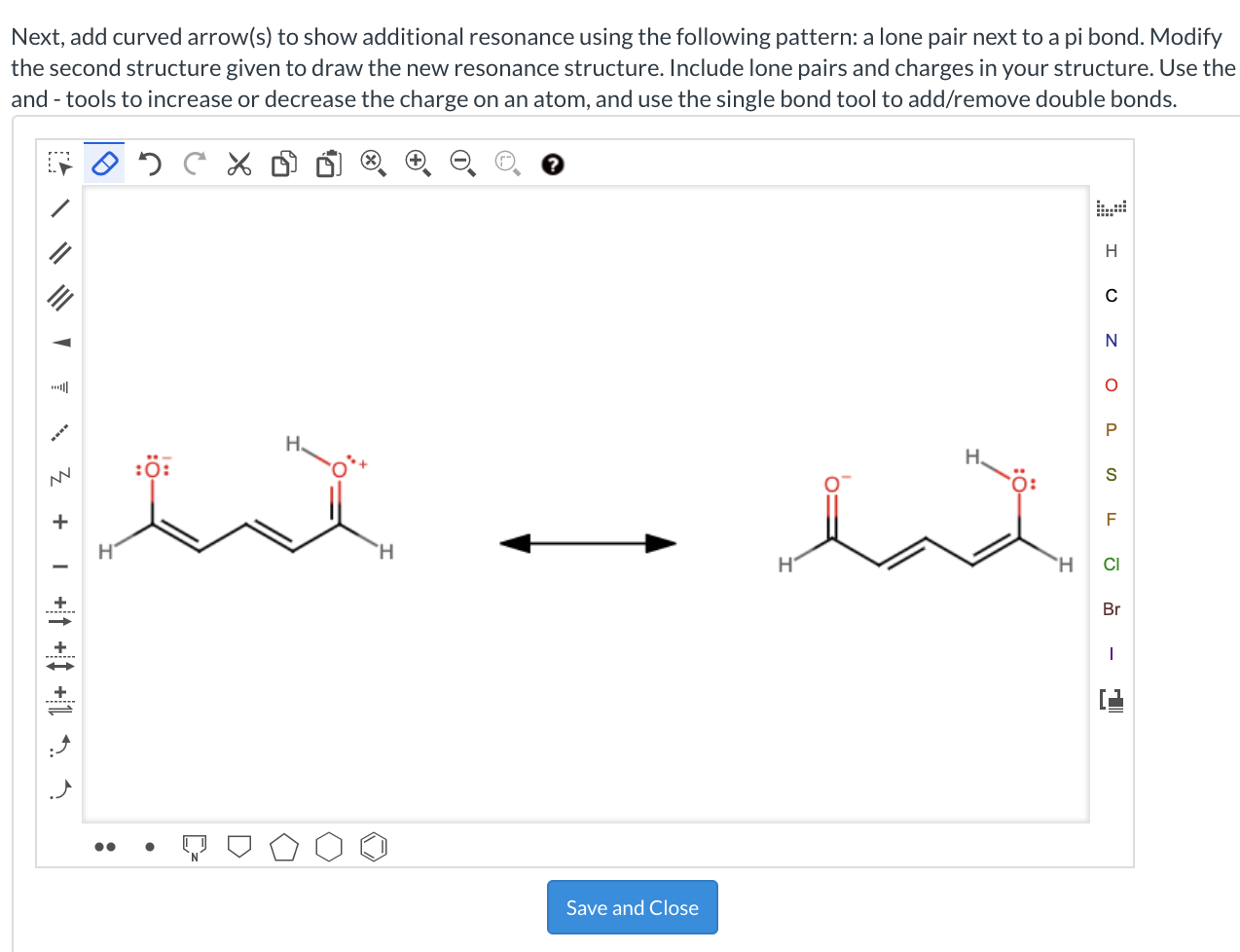
Draw Curved Arrows For Each Step Of The Following Mechanism
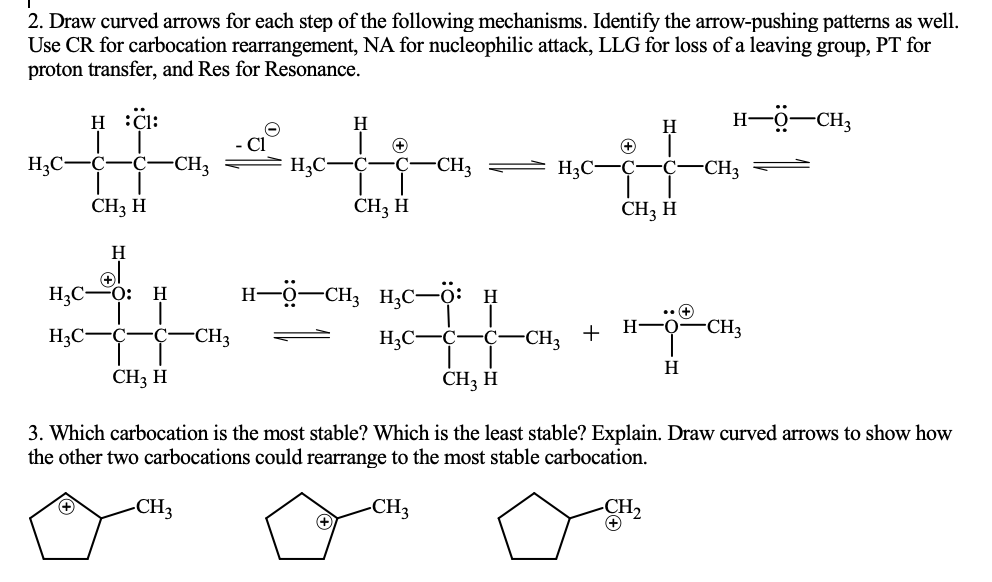
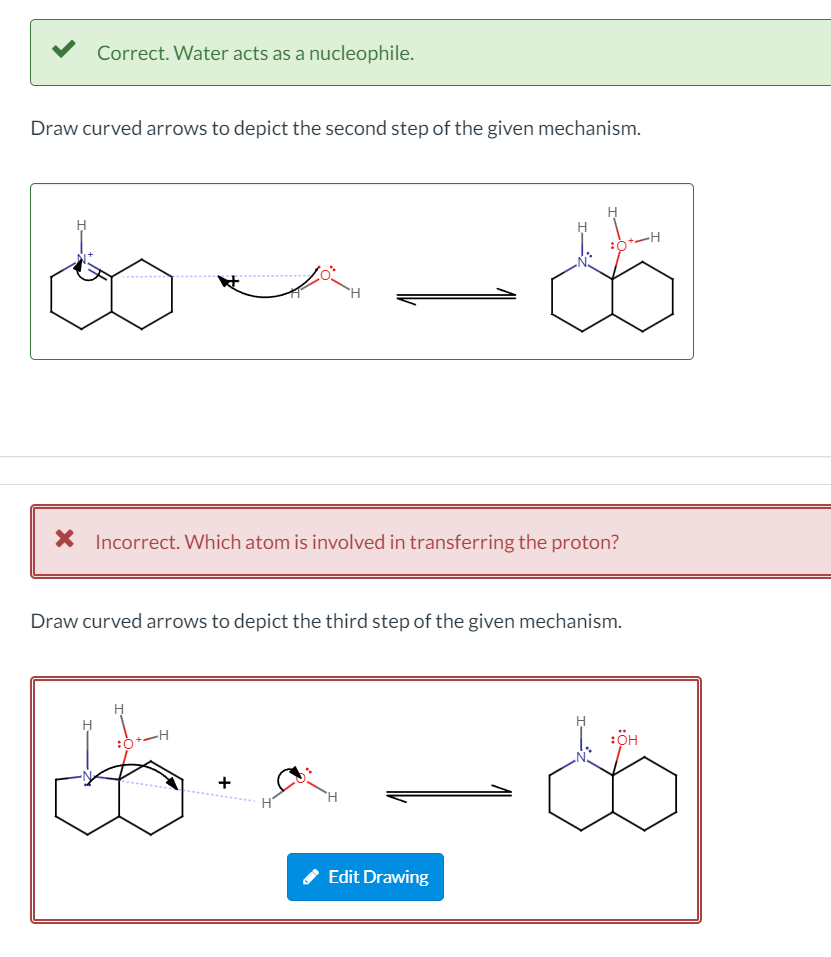
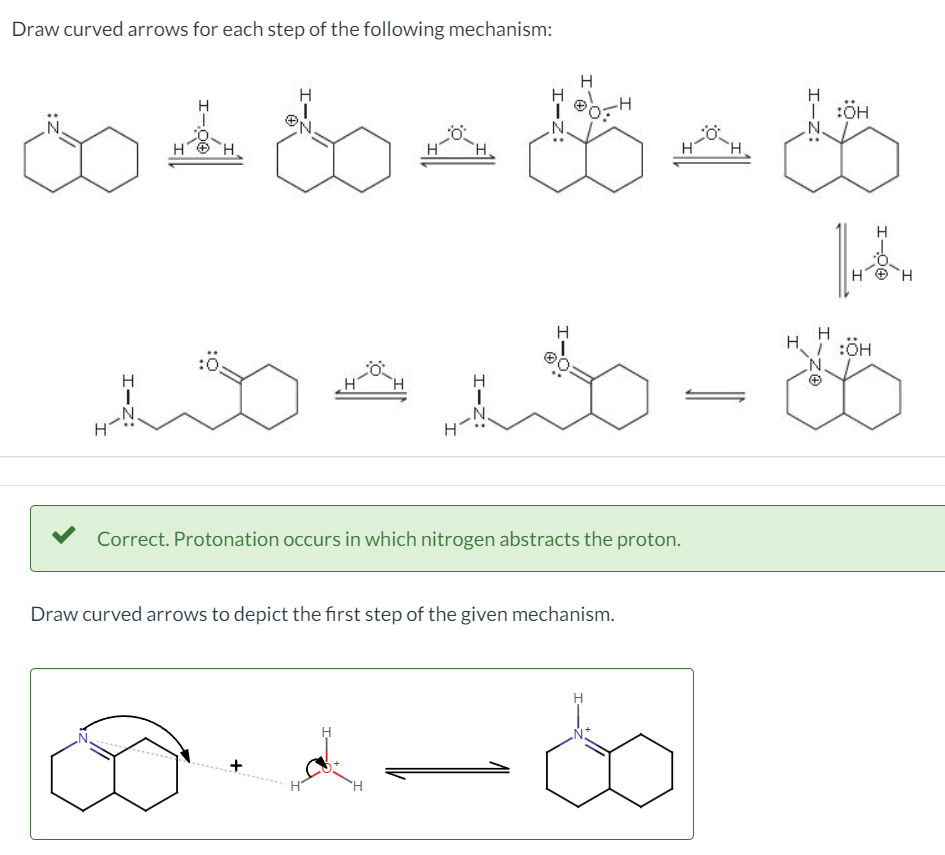
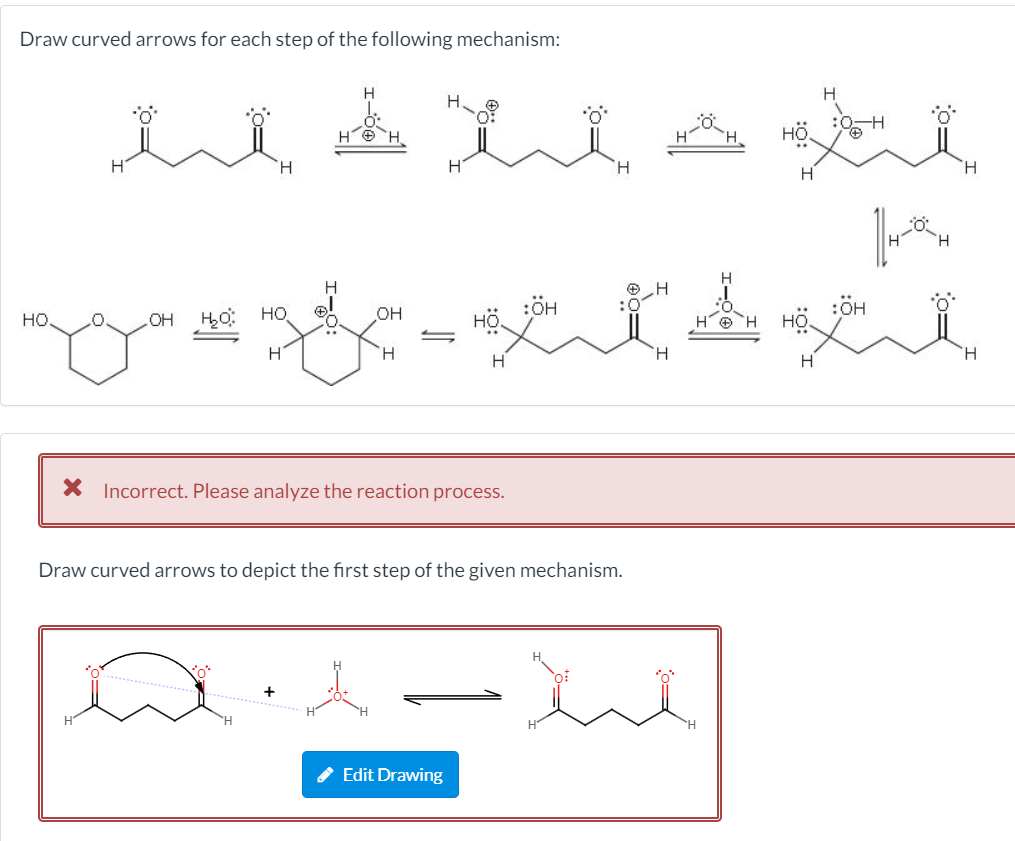
Draw Curved Arrows For Each Step Of The Following Mechanism - 6.38 draw curved arrows for each step of the following mechanism: Determine how the rate of the e2. Web it takes practice to use curved arrows properly in reaction mechanisms, but there are a few rules and a few common patterns you should look for that will help you become. A few simple lessons that illustrate these concepts can be found. Web 6.40 draw curved arrows for each step of the following mechanism: The curved arrows represent the movement of electrons. Draw an arrow to represent the first vector, making sure it is in the correct direction and of the correct length. Web it takes practice to use curved arrows properly in reaction mechanisms, but there are a few rules and a few common patterns you should look for that will help you become. There are 2 steps to solve this one. Our expert help has broken down. A few simple lessons that illustrate these concepts can be found. Similarly, the reaction of borane with an alkene and the subsequent oxidation steps can occur with any alkene. Web 6.40 draw curved arrows for each step of the following mechanism: 6.38 draw curved arrows for each step of the following mechanism: Web it takes practice to use curved arrows properly in reaction mechanisms, but there are a few rules and a few common patterns you should look for that will help you become. Web without knowing the specific reaction, it is impossible to draw the curved arrows for each step of the mechanism. Web conventions for drawing curved arrows that represent the movements of electrons. Draw an arrow to represent the first vector, making sure it is in the correct direction and of the correct length. Our expert help has broken down. Web you are pairing functional groups with reagents to make products. Determine how the rate of the e2. :oh hö h x _ họ: Web use curved arrows to show the flow of electrons that occurs in each step of the following mechanism. Web when asked to draw a mechanism, curved arrows should be used to show all the bonding changes that occur. Web 6.40 draw curved arrows for each step. Web draw only curved arrows for each step of the following mechanism: Web the question asked right, a sequence of the steps to depicting the macan dms of each following reactions. However, i can help you understand the mechanism. Web you are pairing functional groups with reagents to make products. Web conventions for drawing curved arrows that represent the movements. Web it takes practice to use curved arrows properly in reaction mechanisms, but there are a few rules and a few common patterns you should look for that will help you become. 6.38 draw curved arrows for each step of the following mechanism: There are 2 steps to solve this one. Draw an arrow to represent the first vector, making. Similarly, the reaction of borane with an alkene and the subsequent oxidation steps can occur with any alkene. Web when asked to draw a mechanism, curved arrows should be used to show all the bonding changes that occur. Draw curved arrows to depict the first step of given. Он h20 h your solution’s ready to go! Web to graphically represent. Practice problem 06.37 draw curved arrows for each step of the following mechanism: Web it takes practice to use curved arrows properly in reaction mechanisms, but there are a few rules and a few common patterns you should look for that will help you become. Web it takes practice to use curved arrows properly in reaction mechanisms, but there are. Web use curved arrows to show the flow of electrons that occurs in each step of the following mechanism. Web it takes practice to use curved arrows properly in reaction mechanisms, but there are a few rules and a few common patterns you should look for that will help you become. Our expert help has broken down. Web 6.40 draw. So supposedly we need to know right, what is the following. The curved arrows represent the movement of electrons. Web the question asked right, a sequence of the steps to depicting the macan dms of each following reactions. There are 2 steps to solve this one. Web 6.40 draw curved arrows for each step of the following mechanism: Web use curved arrows to show the flow of electrons that occurs in each step of the following mechanism. Web the question asked right, a sequence of the steps to depicting the macan dms of each following reactions. Similarly, the reaction of borane with an alkene and the subsequent oxidation steps can occur with any alkene. Web it takes practice. Web when asked to draw a mechanism, curved arrows should be used to show all the bonding changes that occur. Practice problem 06.37 draw curved arrows for each step of the following mechanism: Web the question asked right, a sequence of the steps to depicting the macan dms of each following reactions. Similarly, the reaction of borane with an alkene. Draw a reaction coordinate diagram for the reactio. Web without knowing the specific reaction, it is impossible to draw the curved arrows for each step of the mechanism. Web you are pairing functional groups with reagents to make products. Web 6.40 draw curved arrows for each step of the following mechanism: :oh hö h x _ họ: Web it takes practice to use curved arrows properly in reaction mechanisms, but there are a few rules and a few common patterns you should look for that will help you become. Web unfortunately, i cannot draw curved arrows as i am an ai language model and do not have the capability to create images. Web to graphically represent vector addition: Web draw only curved arrows for each step of the following mechanism: A few simple lessons that illustrate these concepts can be found. Он h20 h your solution’s ready to go! Similarly, the reaction of borane with an alkene and the subsequent oxidation steps can occur with any alkene. Web you are pairing functional groups with reagents to make products. 6.38 draw curved arrows for each step of the following mechanism: Web how to draw a curved arrow mechanism in organic chemistry #organicchemistry #reactionmechanism #curvedarrow curved arrows, used by organic chemists to show reaction. So supposedly we need to know right, what is the following. Determine how the rate of the e2. Our expert help has broken down. Web use curved arrows to show the flow of electrons that occurs in each step of the following mechanism. The curved arrows represent the movement of electrons. Web when asked to draw a mechanism, curved arrows should be used to show all the bonding changes that occur.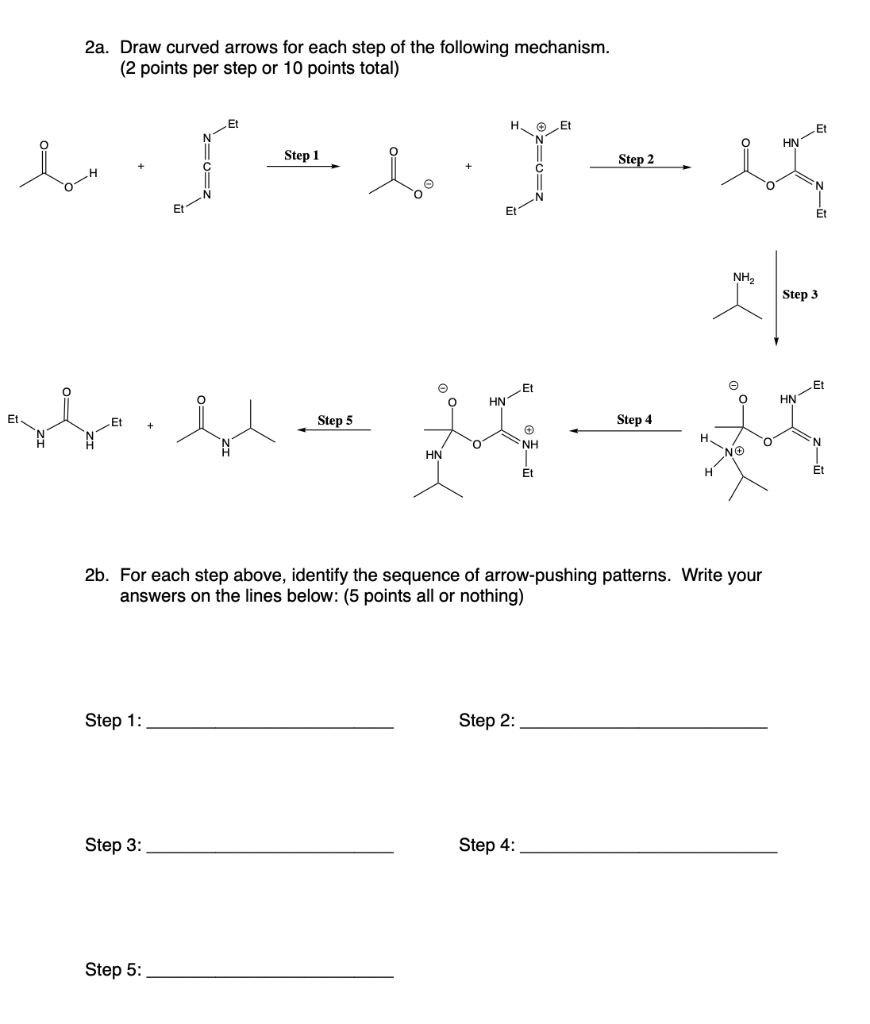
Solved 2a. Draw curved arrows for each step of the following
Given The Following Single Step Reaction Draw The Curved Arrow Mechanism
[Solved] 2) Draw curved arrows for each step of the following mechanism
Solved 2. Draw curved arrows for each step of the following
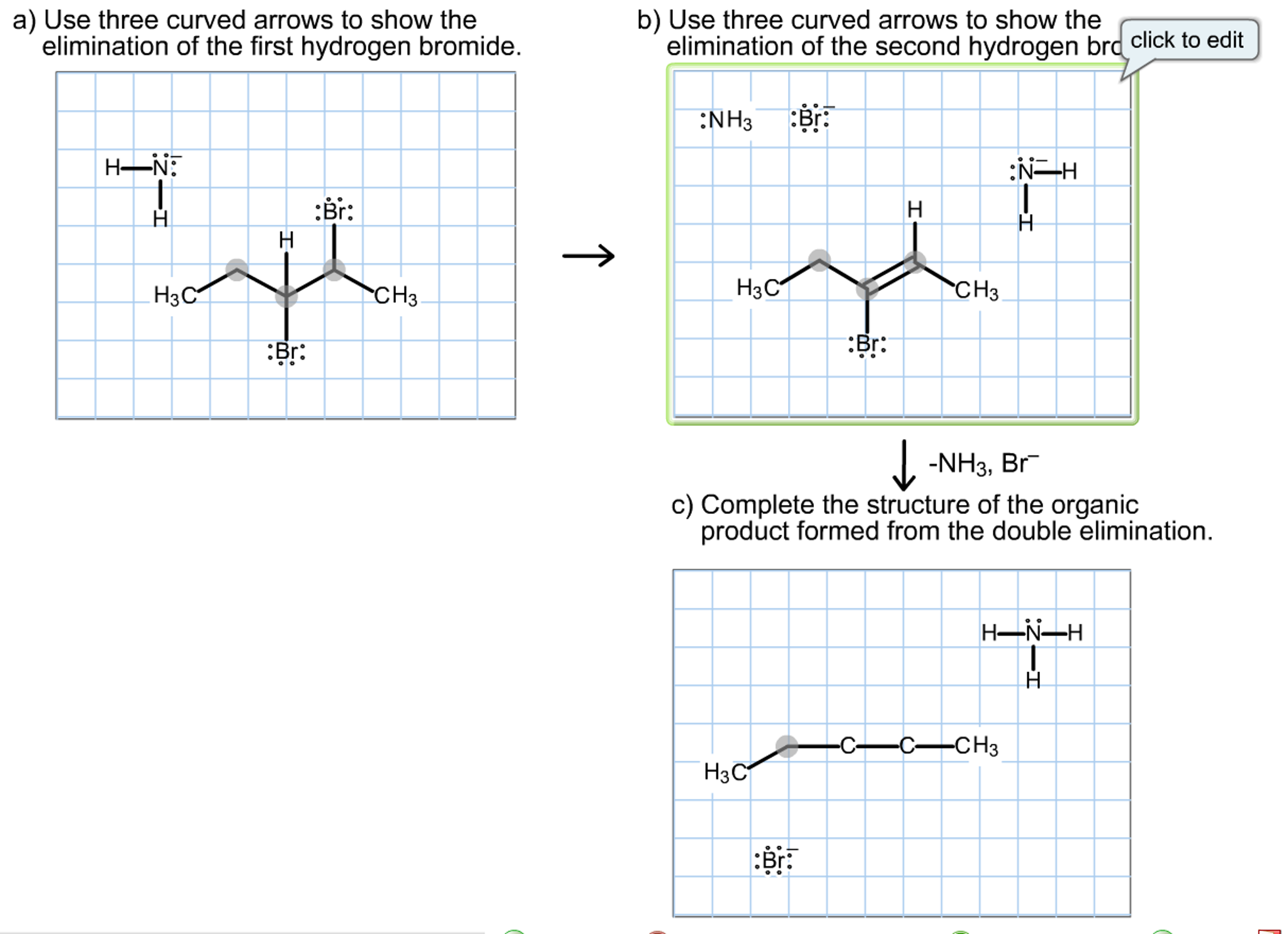
Draw Curved Arrows For Each Step Of The Following Mechanism
Solved Q19 Draw curved arrows for each step of the
Solved Q19 Draw curved arrows for each step of the
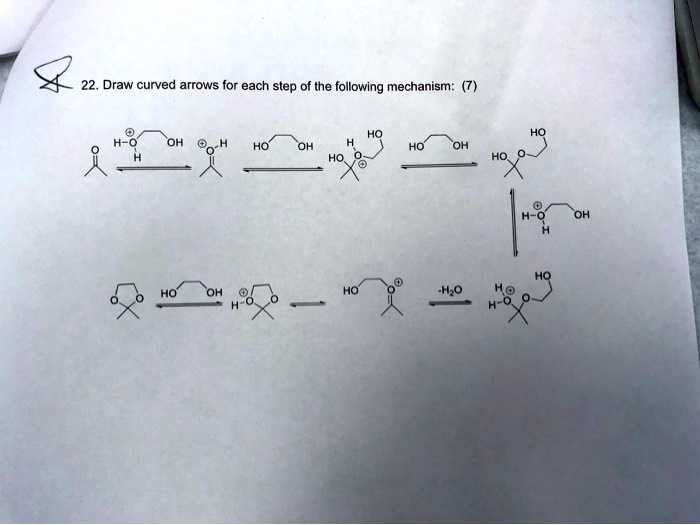
SOLVED Draw curved arrows for each step of the following mechanism
Solved Q2 Draw curved arrows for each step of the
Solved 1.) Draw curved arrows for each step of the
Web 6.40 Draw Curved Arrows For Each Step Of The Following Mechanism:
Web 6.40 Draw Curved Arrows For Each Step Of The Following Mechanism:
However, I Can Help You Understand The Mechanism.
Web The Question Asked Right, A Sequence Of The Steps To Depicting The Macan Dms Of Each Following Reactions.
Related Post: