
Kinetic Family Drawing
Kinetic Family Drawing - Figure drawings are projective diagnostic techniques in which an individual is instructed to draw a person, an object or a situation so that cognitive, interpersonal, or psychological functioning can be assessed. Web using a structured manualized approach, in this section we outline the kfia assessment model that consists of four phases: Are they closely drawn, or far away? The basic procedure for using kfd's is quite simple: Who was added, yet erased, or moved in the drawing? Web this article is a review of the research on the kinetic family drawing. Who was drawn first, middle, last, and who was omitted in the drawing? Web the kinetic family drawing, developed in 1970 by burns and kaufman, requires the test taker to draw a picture of his or her entire family. Kinetic family drawing (kfd) lifestyle questions1. Children are asked to draw a picture of their family, including themselves, “doing something.” Web this article is a review of the research on the kinetic family drawing. Who was added, yet erased, or moved in the drawing? Who was drawn first, middle, last, and who was omitted in the drawing? Are they closely drawn, or far away? The kinetic family drawing involves the therapist asking the test taker, usually a child, to draw a. Children are asked to draw a picture of their family, including themselves, “doing something.” Try to draw whole people, not cartoons or stick people. Barns & kaufman, 1970) in the areas of reliability, normative findings, cultural influences, and validity. Figure drawings are projective diagnostic techniques in which an individual is instructed to draw a person, an object or a situation so that cognitive, interpersonal, or psychological functioning can be assessed. “draw a picture of everyone in your family, doing something. Included are a k?f?d grid and an analysis sheet to assist clinicians in interpreting their own patients' k?f?ds. The kinetic family drawing involves the therapist asking the test taker, usually a child, to draw a. Web the kinetic family drawing placement grid basically analysis where family members are placed in the drawing. Web one of the most widely used projective. Web one of the most widely used projective drawing techniques is the kinetic family drawing (kfd) devised by burns and kaufman in 1970 [ 2 ]. Web the kinetic family drawing, developed in 1970 by burns and kaufman, requires the test taker to draw a picture of his or her entire family. Web the kinetic family drawing placement grid basically. Are they closely drawn, or far away? The kinetic family drawing involves the therapist asking the test taker, usually a child, to draw a. Children are asked to draw a picture of their family, including themselves, “doing something.” Web using a structured manualized approach, in this section we outline the kfia assessment model that consists of four phases: Web one?hundred. Included are a k?f?d grid and an analysis sheet to assist clinicians in interpreting their own patients' k?f?ds. Web using a structured manualized approach, in this section we outline the kfia assessment model that consists of four phases: An introduction to understanding children through kinetic drawings.’ by robert c. Try to draw whole people, not cartoons or stick people. Who. Try to draw whole people, not cartoons or stick people. Web one of the most widely used projective drawing techniques is the kinetic family drawing (kfd) devised by burns and kaufman in 1970 [ 2 ]. Web using a structured manualized approach, in this section we outline the kfia assessment model that consists of four phases: Who was drawn first,. Figure drawings are projective diagnostic techniques in which an individual is instructed to draw a person, an object or a situation so that cognitive, interpersonal, or psychological functioning can be assessed. Web this article is a review of the research on the kinetic family drawing. Who is standing next to whom? Are they closely drawn, or far away? Web one?hundred. Barns & kaufman, 1970) in the areas of reliability, normative findings, cultural influences, and validity. Children are asked to draw a picture of their family, including themselves, “doing something.” Web the kinetic family drawing, developed in 1970 by burns and kaufman, requires the test taker to draw a picture of his or her entire family. Are they closely drawn, or. Are they closely drawn, or far away? Web one?hundred and thirty drawings are reproduced, showing common characteristics of k?f?d figures and the varied actions and symbols that reflect relations between family members. Children are asked to draw a picture of their family, including themselves, “doing something.” Who is standing next to whom? Who was added, yet erased, or moved in. The basic procedure for using kfd's is quite simple: Try to draw whole people, not cartoons or stick people. (1) drawing a kinetic family, (2) scripting the drawn scene, (3) enacting the scripted scene, and (4) reflection, sharing and integration. Web the kinetic family drawing, developed in 1970 by burns and kaufman, requires the test taker to draw a picture. (1) drawing a kinetic family, (2) scripting the drawn scene, (3) enacting the scripted scene, and (4) reflection, sharing and integration. Kinetic family drawing (kfd) lifestyle questions1. Web using a structured manualized approach, in this section we outline the kfia assessment model that consists of four phases: Web one?hundred and thirty drawings are reproduced, showing common characteristics of k?f?d figures. Try to draw whole people, not cartoons or stick people. Who is standing next to whom? Barns & kaufman, 1970) in the areas of reliability, normative findings, cultural influences, and validity. Web one?hundred and thirty drawings are reproduced, showing common characteristics of k?f?d figures and the varied actions and symbols that reflect relations between family members. Web one of the most widely used projective drawing techniques is the kinetic family drawing (kfd) devised by burns and kaufman in 1970 [ 2 ]. “draw a picture of everyone in your family, doing something. Web the kinetic family drawing placement grid basically analysis where family members are placed in the drawing. Who was added, yet erased, or moved in the drawing? An introduction to understanding children through kinetic drawings.’ by robert c. Children are asked to draw a picture of their family, including themselves, “doing something.” Draw me a picture of your family, make sure everyone is doing something. or draw me a picture of your family, make sure everyone is in the picture, have everyone doing something. Included are a k?f?d grid and an analysis sheet to assist clinicians in interpreting their own patients' k?f?ds. Who was drawn first, middle, last, and who was omitted in the drawing? Figure drawings are projective diagnostic techniques in which an individual is instructed to draw a person, an object or a situation so that cognitive, interpersonal, or psychological functioning can be assessed. Are they closely drawn, or far away? The kinetic family drawing involves the therapist asking the test taker, usually a child, to draw a.
family drawing interpretation manual by tomang56fsrea Issuu

family drawing assessment

family drawing at the beginning of therapy Download

Family Drawing Drawing.rjuuc.edu.np
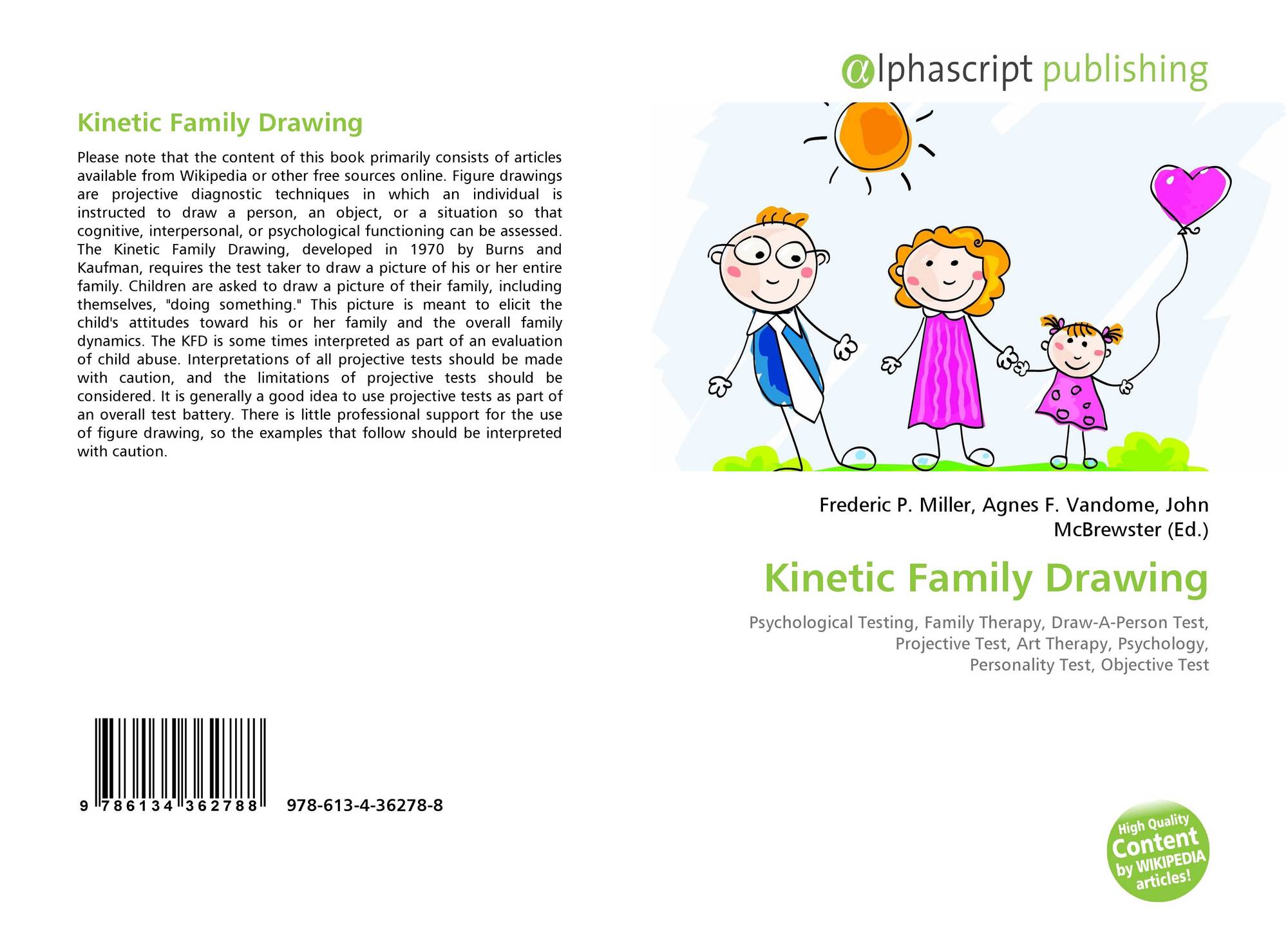
Family Drawing, 9786134362788, 6134362786 ,9786134362788

family drawing scoring and interpretation pdf
Chris Regner Art Therapy Family Drawing (2021) Artsy

family drawing at the end of therapy Download Scientific Diagram
![[PDF] Action, Styles, And Symbols In Family Drawings Kfd by](https://www.perlego.com/_next/image?url=https:%2F%2Fwww.perlego.com%2Fbooks%2FRM_Books%2Ftaylor_francis_lm_feonmi%2F9781135064204_500_750.jpg&w=1440&q=10)
[PDF] Action, Styles, And Symbols In Family Drawings Kfd by

Figure 7 from Family Drawings by Children with Perceptualmotor
Kinetic Family Drawing (Kfd) Lifestyle Questions1.
Web Questioning For Kinetic Drawings.
Web Using A Structured Manualized Approach, In This Section We Outline The Kfia Assessment Model That Consists Of Four Phases:
(1) Drawing A Kinetic Family, (2) Scripting The Drawn Scene, (3) Enacting The Scripted Scene, And (4) Reflection, Sharing And Integration.
Related Post: