
Trail Of Tears Drawing
Trail Of Tears Drawing - Feel free to explore, study and enjoy paintings with paintingvalley.com. Web the trail of tears, painting by robert lindneux, 1942. The artwork depicts the forced removal of native american tribes from their ancestral lands to designated territories, resulting in immense suffering and loss. Web trail of tears, forced migration in the united states of the northeast and southeast indians during the 1830s. This tragic episode of our history was a result of the 1832 indian removal act, an official government policy to purge native nations from the eastern united states. Web painting/drawing/print data source national museum of the american indian catalog number 26/6510. Web shop for trail of tears wall art from the world's greatest living artists and iconic brands. Web trail of tears captures the trauma and hardship endured by muscogee peoples when they were forcibly removed from their ancestral homelands in the southeastern united states and relocated and confined to indian territory (later known as. It looks at the main causes of the indian removal act of 1830, which was a major turning point for native americans. Today, this harrowing journey is known as the. Web this infographic provides a map of the principal routes used during the trail of tears, the forced relocation during the 1830s of native american peoples from their lands in the southeastern u.s. Web cherokee nation case study. Web the trail of tears routes map of the nearly 16,000 cherokee people removed to the west, historians estimate that 2,000 to 4,000 perished. Web the trail of tears was the forced displacement of approximately 60,000 people of the five civilized tribes between 1830 and 1850, and the additional thousands of native americans within that were ethnically cleansed by the united states government. Web shop for trail of tears wall art from the world's greatest living artists and iconic brands. Web remember and commemorate the survival of the cherokee people, forcefully removed from their homelands in georgia, alabama, and tennessee to live in indian territory, now oklahoma. It looks at the main causes of the indian removal act of 1830, which was a major turning point for native americans. Web trail of tears, forced migration in the united states of the northeast and southeast indians during the 1830s. This powerful exhibition takes a deeper look at indian removal from the cherokee perspective. Web the trail of tears, painting by robert lindneux, 1942. Many tribes were forced out of their lands in the eastern part of the united states and made to travel far west into the untamed lands beyond the mississippi. It was us president andrew jackson 's policy to removing native americans from their ancestral lands to make way for settlers and speculators that led to the infamous trail of tears. Many tribes were forced out of their lands in the eastern part of the united states and made to travel far west into the untamed lands beyond the mississippi. Web this interactive uses primary sources, quotes, images, and short videos of contemporary cherokee people to tell the story of how the cherokee nation resisted removal and persisted to renew and. Cherokee removal and the trail of tears lesson, high school. A forced march is when one group of people forces others to go somewhere. This powerful exhibition takes a deeper look at indian removal from the cherokee perspective. They marched, poorly equipped, alongside caravans of wagons, for more than four months, through blizzards and bitter winter weather. This activity provides. Cherokee removal and the trail of tears lesson, high school. Web all the best trail of tears drawing 38+ collected on this page. Web this infographic provides a map of the principal routes used during the trail of tears, the forced relocation during the 1830s of native american peoples from their lands in the southeastern u.s. It was us president. Web the trail of tears was the forced displacement of approximately 60,000 people of the five civilized tribes between 1830 and 1850, and the additional thousands of native americans within that were ethnically cleansed by the united states government. Many tribes were forced out of their lands in the eastern part of the united states and made to travel far. Web this interactive uses primary sources, quotes, images, and short videos of contemporary cherokee people to tell the story of how the cherokee nation resisted removal and persisted to renew and rebuild their nation. Web the trail of tears was the forced displacement of approximately 60,000 people of the five civilized tribes between 1830 and 1850, and the additional thousands. Web thousands of cherokee perished during the forced relocation, which has become known as the trail of tears. Web cherokee trail of tears lessons, activities and worksheets: It looks at the main causes of the indian removal act of 1830, which was a major turning point for native americans. Barcode 266510.000 object type painting/drawing/print title trail of tears object name. Web the trail of tears was the forced displacement of approximately 60,000 people of the five civilized tribes between 1830 and 1850, and the additional thousands of native americans within that were ethnically cleansed by the united states government. They traveled by foot, horse, wagon, or. Many tribes were forced out of their lands in the eastern part of the. Web all the best trail of tears drawing 38+ collected on this page. They traveled by foot, horse, wagon, or. Feel free to explore, study and enjoy paintings with paintingvalley.com. This activity provides an overview of all the major players in the trail of tears, including andrew jackson, john ross, and the cherokee nation. This tragic episode of our history. To lands reserved for them west of the mississippi river. Web trail of tears captures the trauma and hardship endured by muscogee peoples when they were forcibly removed from their ancestral homelands in the southeastern united states and relocated and confined to indian territory (later known as. Web choose your favorite trail of tears drawings from 11 available designs. Web. Cherokee removal and the trail of tears lesson, high school. Web cherokee trail of tears lessons, activities and worksheets: Web the trail of tears was the forced displacement of approximately 60,000 people of the five civilized tribes between 1830 and 1850, and the additional thousands of native americans within that were ethnically cleansed by the united states government. Web trail of tears: They traveled by foot, horse, wagon, or. Feel free to explore, study and enjoy paintings with paintingvalley.com. Web this infographic provides a map of the principal routes used during the trail of tears, the forced relocation during the 1830s of native american peoples from their lands in the southeastern u.s. To lands reserved for them west of the mississippi river. Web trail of tears, forced migration in the united states of the northeast and southeast indians during the 1830s. Web this image portrays the trail of tears, which began in 1831 after andrew jackson's signing of the indian removal act. Web shop for trail of tears wall art from the world's greatest living artists and iconic brands. Today, this harrowing journey is known as the. Web the trail of tears, painting by robert lindneux, 1942. It looks at the main causes of the indian removal act of 1830, which was a major turning point for native americans. Web remember and commemorate the survival of the cherokee people, forcefully removed from their homelands in georgia, alabama, and tennessee to live in indian territory, now oklahoma. This powerful exhibition takes a deeper look at indian removal from the cherokee perspective.
the trail of tears drawing Google Search Anime art dark, Trail of

End of the trail Native american horses, Native american artwork
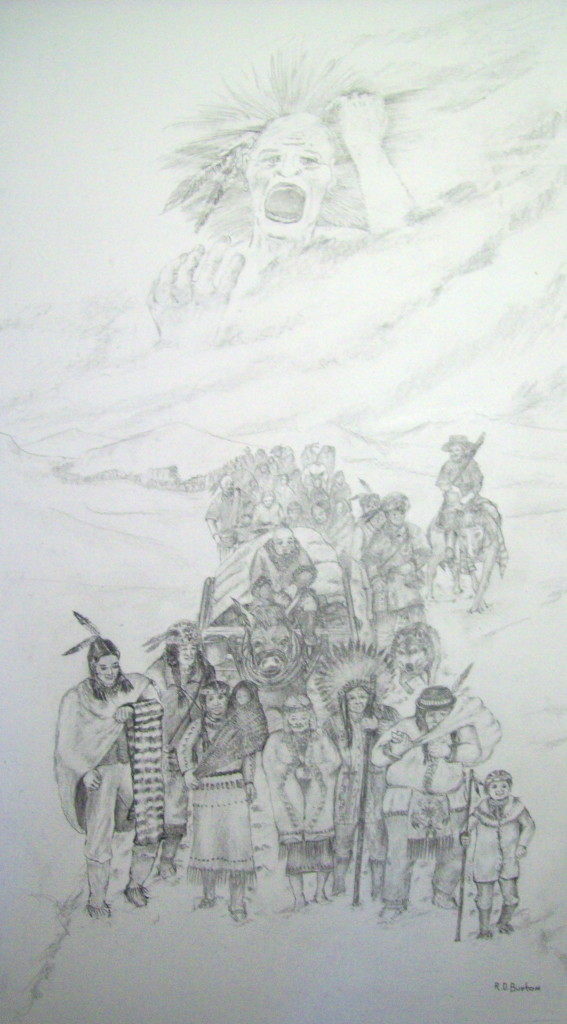
Trail Of Tears Drawing at Explore collection of
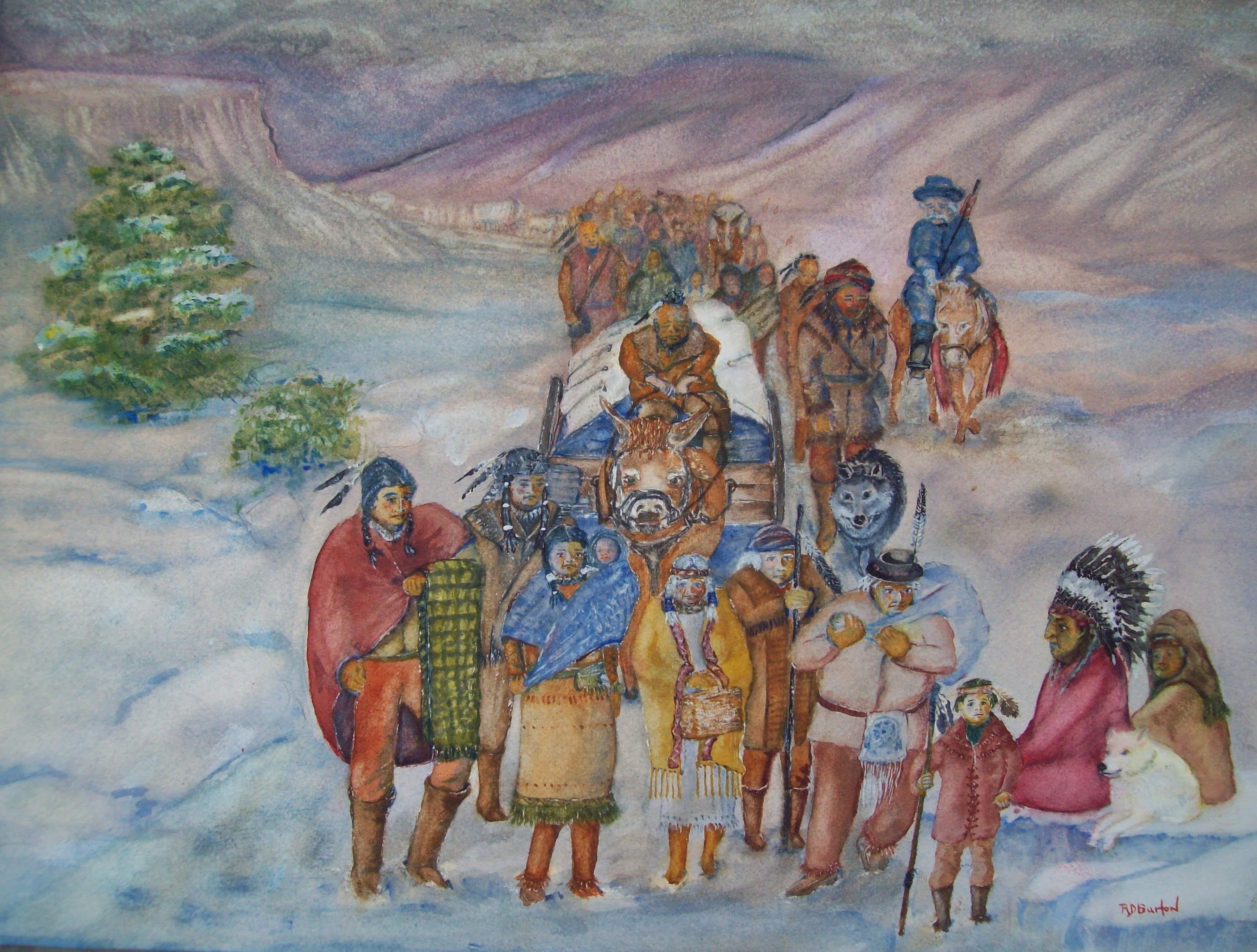
Trail of Tears Saga Anguished Spirit » Art Center Information
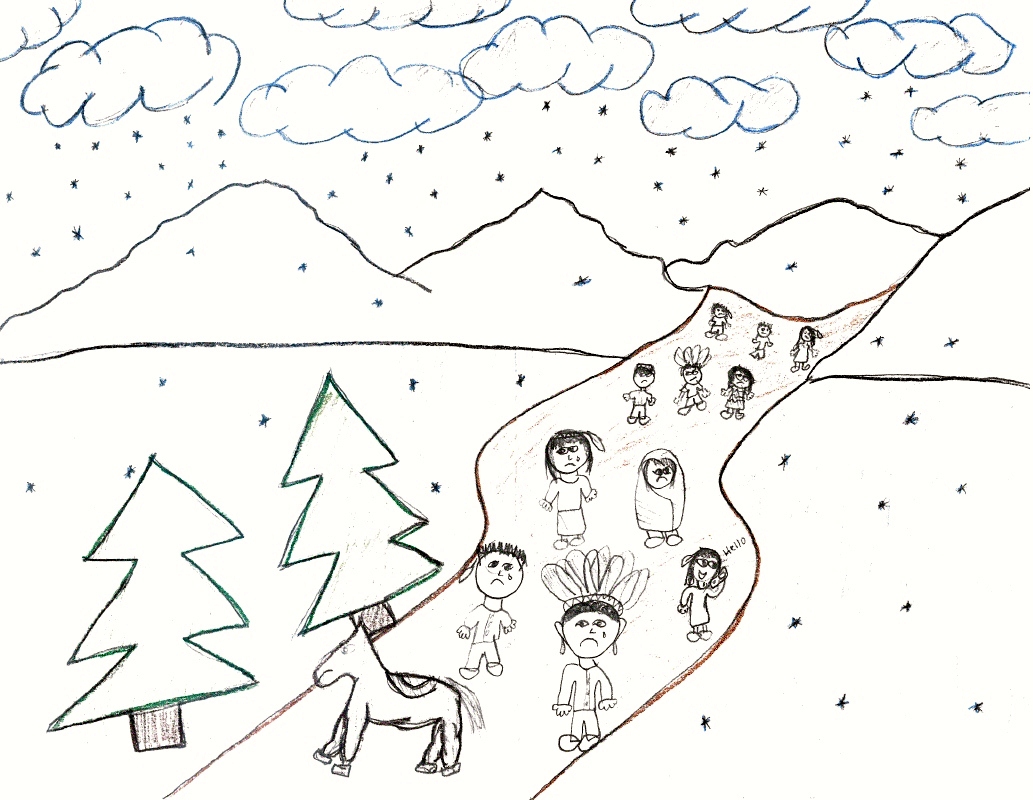
Trail Of Tears Drawing at Explore collection of
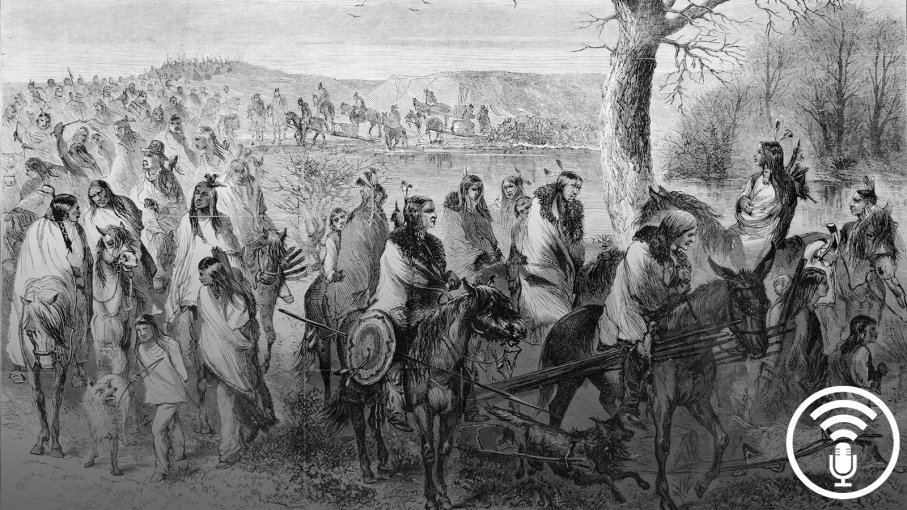
Trail Of Tears Drawing at Explore collection of

The Chiefs Trail of tears, Art, Hopkinsville

The Trail of Tears in Springfield Cherokee History Museum Fine
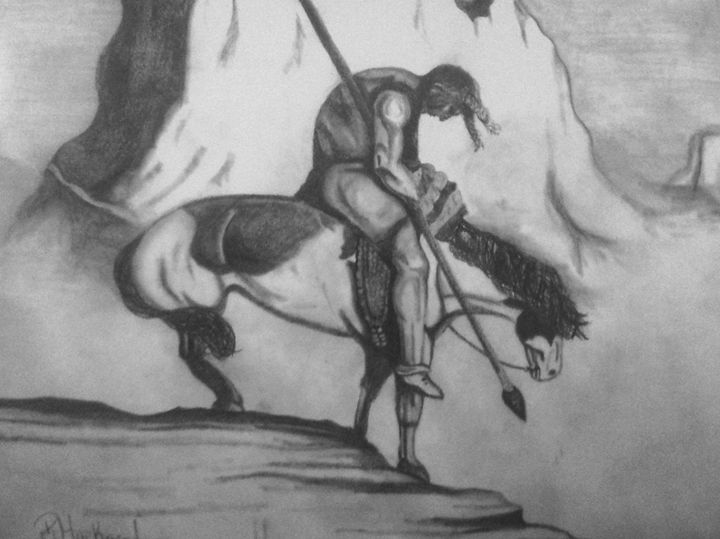
Trail Of Tears Drawing at Explore collection of
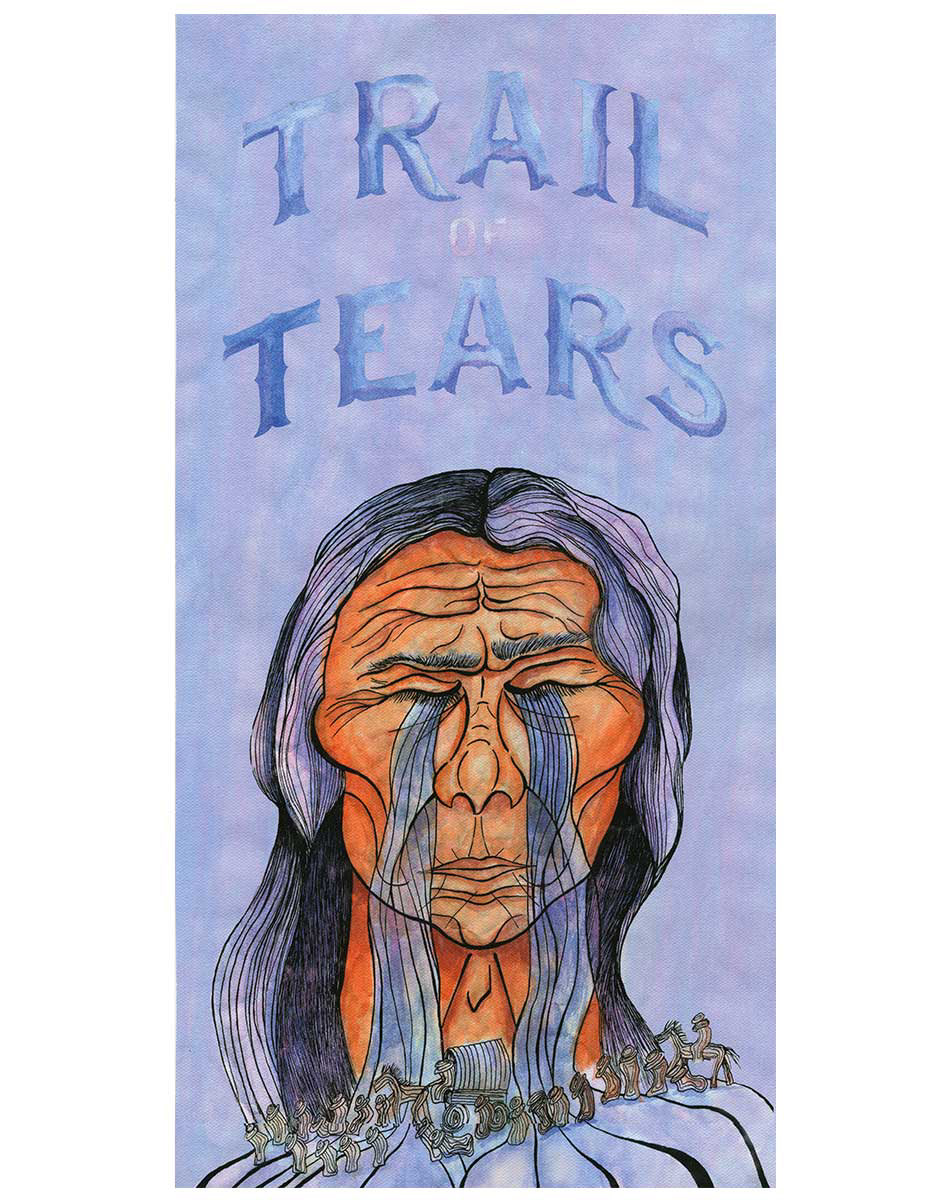
Trail Of Tears Drawing at Explore collection of
Choose Your Favorite Trail Of Tears Designs And Purchase Them As Wall Art, Home Decor, Phone Cases, Tote Bags, And More!
Web This Interactive Uses Primary Sources, Quotes, Images, And Short Videos Of Contemporary Cherokee People To Tell The Story Of How The Cherokee Nation Resisted Removal And Persisted To Renew And Rebuild Their Nation.
Web The Trail Of Tears Routes Map Of The Nearly 16,000 Cherokee People Removed To The West, Historians Estimate That 2,000 To 4,000 Perished.
Barcode 266510.000 Object Type Painting/Drawing/Print Title Trail Of Tears Object Name Painting Media/Materials Paper, Ink, Watercolor Techniques
Related Post: